2026-10-06 · Michael 'Mike' Chen
What Causes Sewer Backups After Heavy Rain in Canarsie
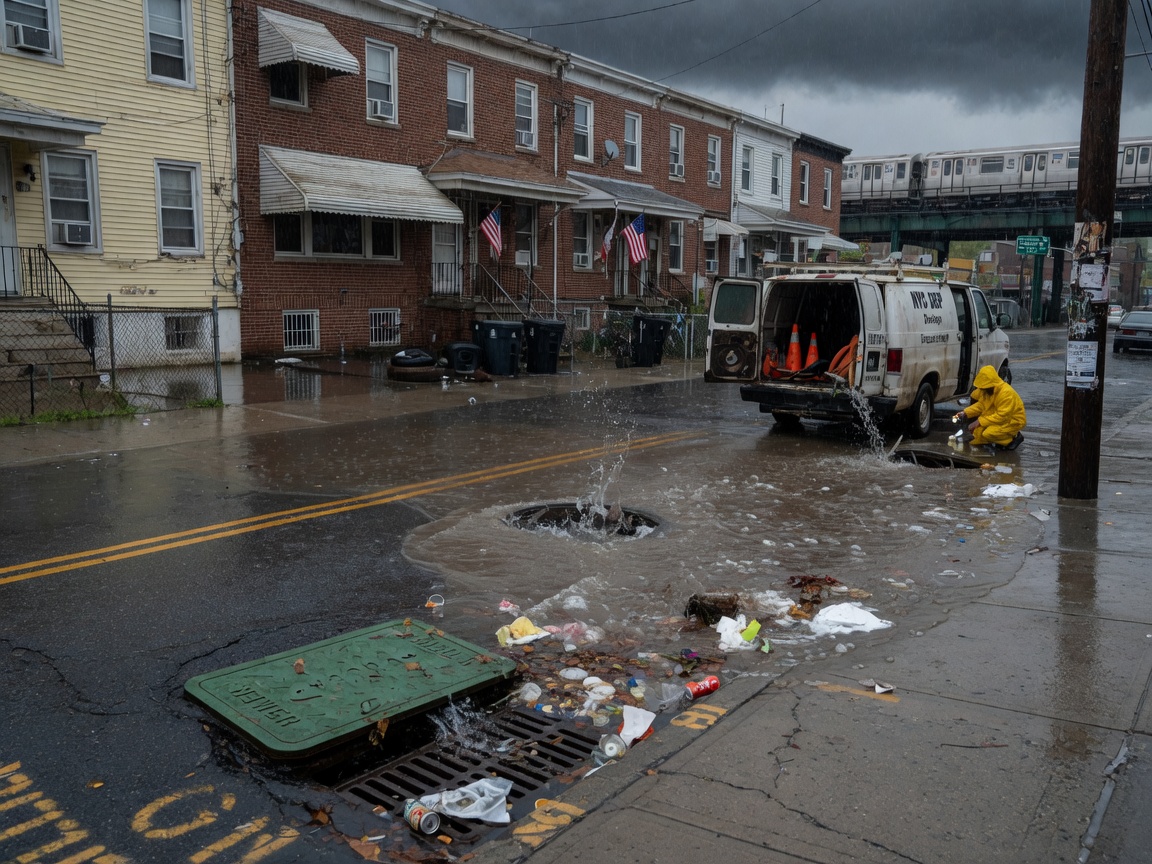
Sewer backups after heavy rain in Canarsie, Brooklyn, are primarily caused by the overwhelming volume of stormwater entering an aging and often compromised sewer system. The municipal sewer lines, many of which are decades old, were not designed to handle the intense rainfall events that have become more common. When combined with blockages within individual property lines—such as tree root intrusion, grease buildup, or debris—the increased pressure from the stormwater has nowhere to go but back up into homes and businesses, particularly in low-lying areas or properties with older plumbing systems. This phenomenon is a familiar issue for many residents in the 11236 zip code and surrounding Brooklyn neighborhoods.
How Aging Infrastructure Contributes to Backups
Many of Brooklyn's sewer lines, especially in established neighborhoods like Canarsie, were installed in the early to mid-20th century. These older systems are often combined sewers, meaning they carry both sanitary waste from homes and stormwater runoff. During heavy rainfall, these combined sewers quickly reach their capacity. Unlike newer, separated systems, they can't differentiate between wastewater and stormwater, leading to an overload. The sheer volume of water from a significant storm, like those experienced during hurricane season or intense summer downpours, can exceed the system's design limits, forcing the excess water to find the path of least resistance, which is often up through floor drains, toilets, and basement fixtures in properties connected to the system. This issue is particularly pronounced in areas with older housing stock, where lateral lines may also be deteriorated.
The Impact of Tree Root Intrusion
Tree roots are a major culprit in sewer line blockages throughout Brooklyn, including Canarsie. Mature trees, common in many residential areas, have extensive root systems that seek out moisture and nutrients. Sewer lines, with their constant flow of water and waste, are an irresistible target. Roots can penetrate tiny cracks, loose joints, or even solid pipes over time, growing into dense masses that trap debris, grease, and other foreign objects. When heavy rains hit, the already restricted flow in these root-infested pipes becomes completely overwhelmed. The added pressure from the stormwater pushes against these blockages, causing the sewage to back up into homes. Addressing these root intrusions often requires specialized solutions like <a href="/services/hydro-jetting">hydro jetting</a>, which uses high-pressure water to clear the blockage, or even pipe repair if the damage is severe. For more on this, consider reading our article on <a href="/blog/dealing-with-tree-root-clogs-near-brooklyn-sidewalks">Dealing With Tree Root Clogs Near Brooklyn Sidewalks</a>.
Grease, Debris, and Foreign Objects
Beyond tree roots, a significant contributor to sewer backups is the accumulation of grease, debris, and foreign objects within the drain lines. In many Brooklyn households, cooking grease, food scraps, and non-flushable items like 'flushable' wipes, paper towels, and hygiene products are inadvertently or intentionally sent down drains. Over time, these materials harden and cling to pipe walls, narrowing the passage and creating stubborn blockages. When heavy rain introduces a massive influx of water into the system, these existing clogs act as dams, preventing the free flow of water. The increased pressure then forces the wastewater to reverse direction, leading to unpleasant and often damaging backups into basements and lower levels. This type of blockage is preventable with careful disposal habits, but once established, often requires professional <a href="/services/sewer-drain-cleaning">sewer drain cleaning</a> to resolve.
Inadequate Property Drainage and Sump Pump Issues
Sometimes, the issue isn't solely with the municipal sewer system or the main lateral, but with the property's internal drainage or lack thereof. Homes in low-lying areas of Canarsie, for instance, are naturally more susceptible to water accumulation during heavy rains. If a property's perimeter drains are clogged, downspouts are improperly directed, or the landscaping slopes towards the foundation, excess stormwater can pool around the house. If a basement has a floor drain connected to the main sewer line and no functioning backflow prevention valve, or if a sump pump fails due to power outages or mechanical issues, the rising water from an overwhelmed sewer system can easily enter the property. Regular maintenance of gutters, downspouts, and ensuring your sump pump is in good working order are crucial preventative steps, especially for properties in flood-prone zones.
Preventing Future Sewer Backups
Preventing sewer backups during heavy rains involves a multi-pronged approach, combining responsible household habits with professional maintenance. On your property, avoid flushing anything other than human waste and toilet paper. Properly dispose of cooking grease and food scraps in the trash, not down the sink. Consider installing a backflow prevention valve on your main sewer line, which can prevent municipal sewer water from entering your home during surcharge events. Regularly inspect and clean your gutters and downspouts to ensure proper stormwater runoff away from your foundation. For persistent issues or suspected main line problems, a professional drain camera inspection can identify the exact cause of blockages, whether it's tree roots, collapsed pipes, or significant debris accumulation, allowing for targeted solutions before the next big storm hits.