2026-10-06 · Michael 'Mike' Chen
Fall Leaf and Debris Management for Brooklyn Gutters and Drains
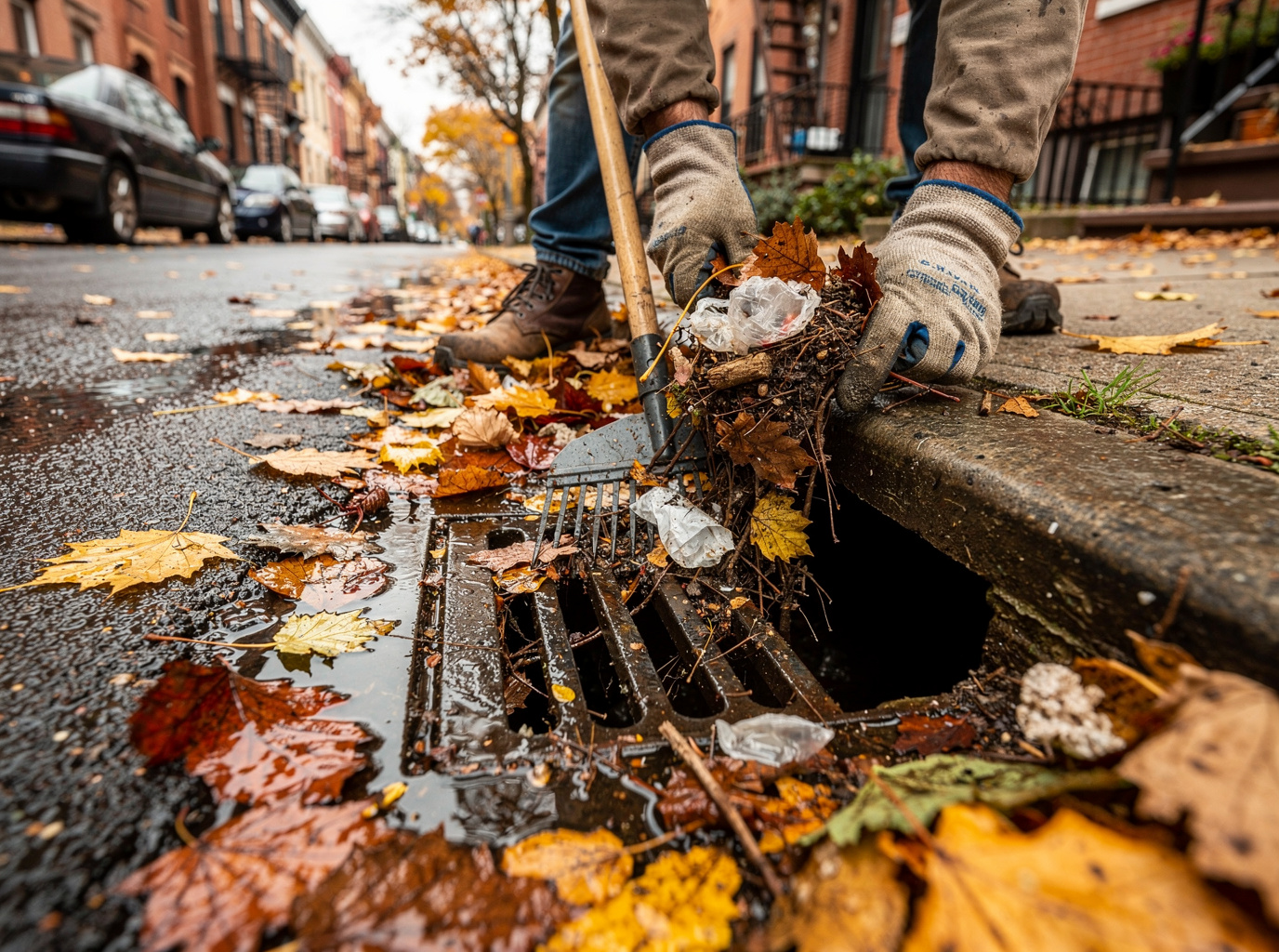
Managing fall leaves and debris in Brooklyn 11236 is crucial for preventing costly gutter and drain clogs, and homeowners should anticipate needing to clear gutters at least 2–3 times between late October and early December, depending on the number and type of deciduous trees nearby. For properties with mature oaks or maples common in neighborhoods like East Flatbush or Flatlands, more frequent clearing might be necessary. Neglecting this seasonal maintenance can lead to significant issues, including overflowing gutters, damaged fascia boards, and water intrusion into basements or foundations, especially with the heavy, wet snowfalls that can follow a leaf-filled autumn.
Understanding the Brooklyn Fall Challenge
The autumn season in Brooklyn, particularly in areas like Bergen Beach and Mill Basin, presents a unique challenge for homeowners. The mature tree canopy, a beloved feature of our neighborhoods, sheds a vast amount of leaves, twigs, and seeds. These organic materials, when washed into gutters and downspouts by rain, quickly accumulate. Once wet, they compact into a dense, sludge-like material that can completely block water flow. This isn't just an aesthetic issue; a blocked gutter can cause water to back up under roof shingles, leading to leaks, or spill over, eroding landscaping and saturating foundations. The older housing stock prevalent across Brooklyn 11236 often has original drainage systems that are more susceptible to these blockages.
Beyond leaves, other debris like shingle grit, bird nests, and even discarded plastic can contribute to the problem. The combination of these elements, especially after a strong autumn wind or rainstorm, creates a perfect storm for drain obstructions. It's not uncommon for us to see main sewer lines impacted by debris washed down through poorly maintained storm drains, leading to serious backups. For deeper insights into how to handle such blockages, you might find our article on <a href="/blog/dealing-with-tree-root-clogs-near-brooklyn-sidewalks">Dealing With Tree Root Clogs Near Brooklyn Sidewalks</a> particularly relevant, as tree roots can exacerbate debris-related issues.
Essential Gutter Maintenance for Brooklyn Homes
Effective gutter maintenance begins with regular cleaning. For most homes in Brooklyn 11236, this means clearing gutters at least once a month during peak fall foliage season. If your property is surrounded by numerous large trees, consider cleaning every 2 weeks. The process involves safely removing all accumulated leaves, twigs, and other debris from the gutter troughs and ensuring downspouts are clear. Always use a sturdy ladder and have someone spot you for safety. Wear gloves to protect your hands and consider eye protection.
After clearing the visible debris, flush your gutters with a garden hose to check for proper drainage. Water should flow freely through the downspouts and away from your home's foundation. If water pools or overflows, or if the downspout doesn't drain, you likely have a clog deeper within the system. This is often where professional help becomes necessary, as these deeper clogs can be stubborn and require specialized tools. Ignoring these signs can lead to significant water damage to your home's exterior and foundation over time.
Downspout and Drain Protection Strategies
Protecting your downspouts and drains from fall debris requires a multi-pronged approach. One of the most effective methods is installing gutter guards. These come in various forms, from mesh screens to solid covers, and are designed to allow water in while keeping leaves and larger debris out. While no gutter guard system is 100% maintenance-free, they significantly reduce the frequency of cleaning. For homes in areas like Cypress Hills, where mature trees are abundant, gutter guards can be a wise investment.
Another crucial step is to ensure that your downspouts are properly extended away from your home's foundation. This directs rainwater away from the immediate perimeter, preventing saturation and potential basement flooding. If your downspouts connect directly to an underground drain system, regular flushing can help prevent blockages. However, if you notice slow drainage or standing water, it might indicate a more serious blockage in the underground pipes, possibly requiring <a href="/services/drain-camera-inspection">Drain Camera Inspection</a> to pinpoint the exact problem without destructive digging.
When to Call a Professional for Drain Cleaning
While DIY gutter cleaning is manageable for many homeowners, there are times when professional intervention is essential. If you encounter persistent clogs in your downspouts or notice water backing up from your main sewer line, it's time to call in the experts. Signs like water overflowing from gutters even after cleaning, gurgling sounds from drains, or slow-draining sinks and toilets after heavy rain can all indicate a deeper issue. These might be symptoms of a blockage further down the line, perhaps in your main sewer lateral.