2026-10-06 · Michael 'Mike' Chen
Maintaining Drains in Multi-Unit Brooklyn Buildings
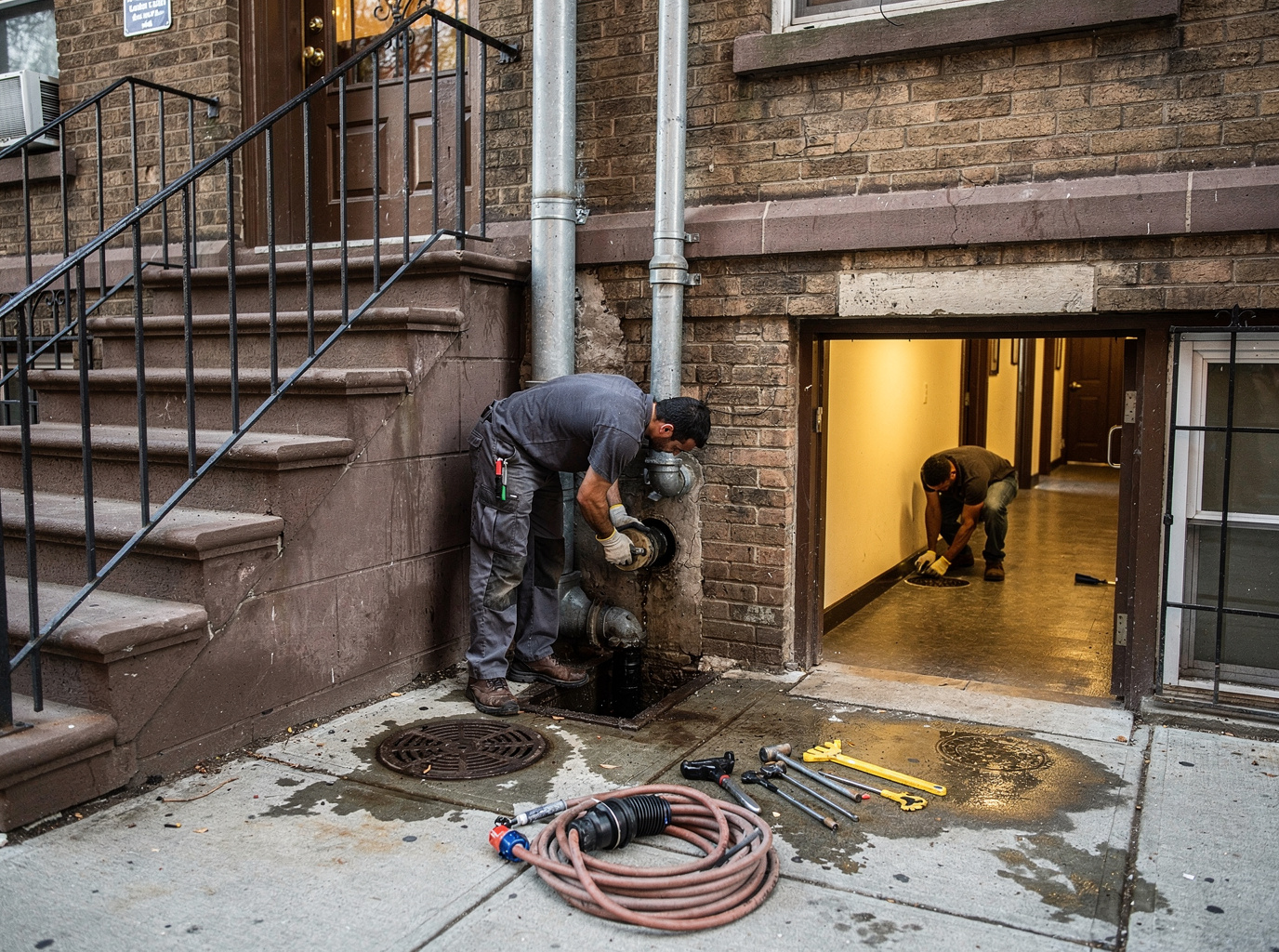
Maintaining drains in multi-unit buildings, common throughout Brooklyn 11236 and surrounding neighborhoods like East Flatbush and Brownsville, is a continuous and often complex task that demands a proactive strategy. Unlike single-family homes, these buildings experience significantly higher usage, leading to accelerated wear and tear and a greater propensity for clogs. The lifespan of a well-maintained drain system can easily exceed 50 years, but neglect can lead to major issues within 10–15 years, especially in older structures prevalent in areas like Cypress Hills. Proactive maintenance, including regular inspections and preventative cleaning, is crucial to avoid costly emergency repairs, tenant dissatisfaction, and potential structural damage from leaks and backups. Ignoring minor drain issues can quickly escalate into widespread problems impacting multiple units, a scenario no property manager wants to face.
Understanding Common Drain Issues in Brooklyn Multi-Units
Multi-unit buildings in Brooklyn 11236 face a unique set of drain challenges largely due to the sheer volume of waste flushed through the system daily. The most frequent culprits behind clogs are typically an accumulation of grease and food particles from kitchen sinks, especially in older buildings where residents might not be as vigilant about proper disposal. Hair, soap scum, and hygiene products are also major contributors to blockages in bathroom drains. Beyond tenant habits, the age of Brooklyn's housing stock plays a significant role. Many buildings date back to the early 20th century, meaning their original cast iron or galvanized steel pipes are susceptible to corrosion, scaling, and reduced internal diameter, making them more prone to blockages. Tree roots from mature street trees, particularly common in residential areas, can also infiltrate sewer lines, causing significant and recurring issues that affect multiple units simultaneously. Understanding these specific challenges is the first step toward effective maintenance.
The Importance of Regular Drain Inspections
Regular drain inspections are the cornerstone of a proactive maintenance plan for multi-unit buildings. We recommend scheduling a professional <a href="/services/drain-camera-inspection">drain camera inspection</a> at least once every 1–2 years, or more frequently for buildings with a history of recurring problems. These inspections allow us to visually assess the internal condition of pipes, identify early signs of corrosion, hairline cracks, root intrusion, or developing blockages before they escalate into full-blown emergencies. For instance, in areas like Flatlands, where older sewer lines might be susceptible to shifting soil or increased water flow during heavy rains, an inspection can reveal potential weak points. Early detection means repairs can be scheduled during off-peak hours, minimizing disruption to residents and often at a lower cost than emergency services. It's about catching small issues before they become large, expensive headaches.
Preventative Drain Cleaning Strategies
Implementing preventative drain cleaning is far more cost-effective than waiting for a complete blockage. For main sewer lines serving multiple units, particularly in densely populated areas like Bergen Beach, <a href="/services/hydro-jetting">hydro jetting</a> every 2–3 years is an excellent strategy. This high-pressure water cleaning method effectively scours the inside of pipes, removing grease buildup, mineral deposits, and even minor root intrusions, restoring the pipe to near-original diameter. For individual unit drains, educating tenants on proper disposal practices is key. Providing clear guidelines on what not to flush down toilets or pour down sinks can significantly reduce common clogs. Additionally, annual snaking of high-traffic drains in common areas or units with known issues can prevent recurring problems. This combination of professional interventions and tenant education forms a robust preventative strategy.
Addressing Specific Drain Types and Locations
Different drains within a multi-unit building require tailored attention. Kitchen drains, especially in units with garbage disposals, are prone to grease and food particle buildup. Regular flushing with hot water and baking soda can help, but professional snaking might be needed every 1–2 years. Bathroom drains, particularly in showers and bathtubs, frequently clog with hair and soap scum. Installing drain screens can significantly reduce this issue. Toilet drains, often affected by non-flushable items, benefit from clear tenant guidelines and swift action if a clog occurs to prevent overflows into lower units. Even floor drains in basements or laundry rooms, common in buildings around Mill Basin, need attention, as they can become clogged with lint and debris, leading to backups during heavy rain or appliance malfunctions. Each drain type presents its own set of challenges and requires specific preventative measures.
Tenant Education and Communication
Effective tenant education is a powerful, yet often overlooked, tool in multi-unit drain maintenance. Clear communication regarding proper drain usage can dramatically reduce the frequency of clogs. Consider distributing informational flyers or posting notices in common areas, outlining what should and should not go down drains and toilets. For example, explicitly stating that items like 'flushable' wipes, cotton swabs, feminine hygiene products, and excessive cooking grease should never be flushed or poured can prevent many common blockages. Explaining the impact of improper disposal – such as potential backups into their own or neighbors' apartments – can motivate tenants to comply. When tenants understand their role in maintaining the building's plumbing, it fosters a sense of shared responsibility and significantly lightens the burden on property management and maintenance staff.